




QSR Kitchen Projects and Services

Efficiency is critical in the quick service restaurant (QSR) and fast-food industry. Whether looking for UK-wide service and maintenance support, opening a new QSR kitchen in your operation, setting up a ghost kitchen, or expanding your fast food restaurant, our bespoke design and installation services ensure your commercial kitchen is optimised for peak performance.

With tailored solutions, we streamline operations to enhance speed, productivity, and customer satisfaction. From fast food outlets to the growing demand for delivery-only ghost kitchens, our expert team is here to support your QSR and commercial kitchen needs.

Commercial Kitchen Solutions Tailored for Fast Food and QSR’s

We specialise in designing and maintaining kitchens that meet the specific demands of fast food and quick service restaurants. We have hundreds of engineers across the UK trained to support QSR operations, and if you’re building a new site or refurbishing an existing one, our focus is on helping you improve kitchen performance so your team can serve customers faster and more efficiently. From high-street QSRs to the growing trend of ghost kitchens, our solutions are built to enhance your operations and support your success.

QSR Kitchen Design Tailored to Your Needs

Our kitchen designs are centred on speed, functionality, and safety. We optimise layouts to ensure your staff can work efficiently and handle peak times without delays. Every element, from equipment placement to the flow of work, is carefully considered to reduce restrictions and increase productivity.

We understand that a QSR kitchen isn’t a one-size-fits-all approach. Each QSR franchise has its own unique equipment needs and operational strategy.

We’re skilled at creating kitchens for both the classic assembly line layout and the made-to-order approach. We can adapt layouts to venues across the franchise, and make clever tweaks to enhance each type of QSR venue, from drive-thrus to ghost kitchens. Our guide to multi-site QSR design and build provides further elaboration.

QSR Kitchen Maintenance: Operational Resilience and Consistent Quality

In an industry where speed is part of the name itself, everything must function optimally. Equipment breakdown, particularly of equipment that is vital to producing core menu items, can mean a significant loss of footfall at your site and, as a result, a loss of profit.

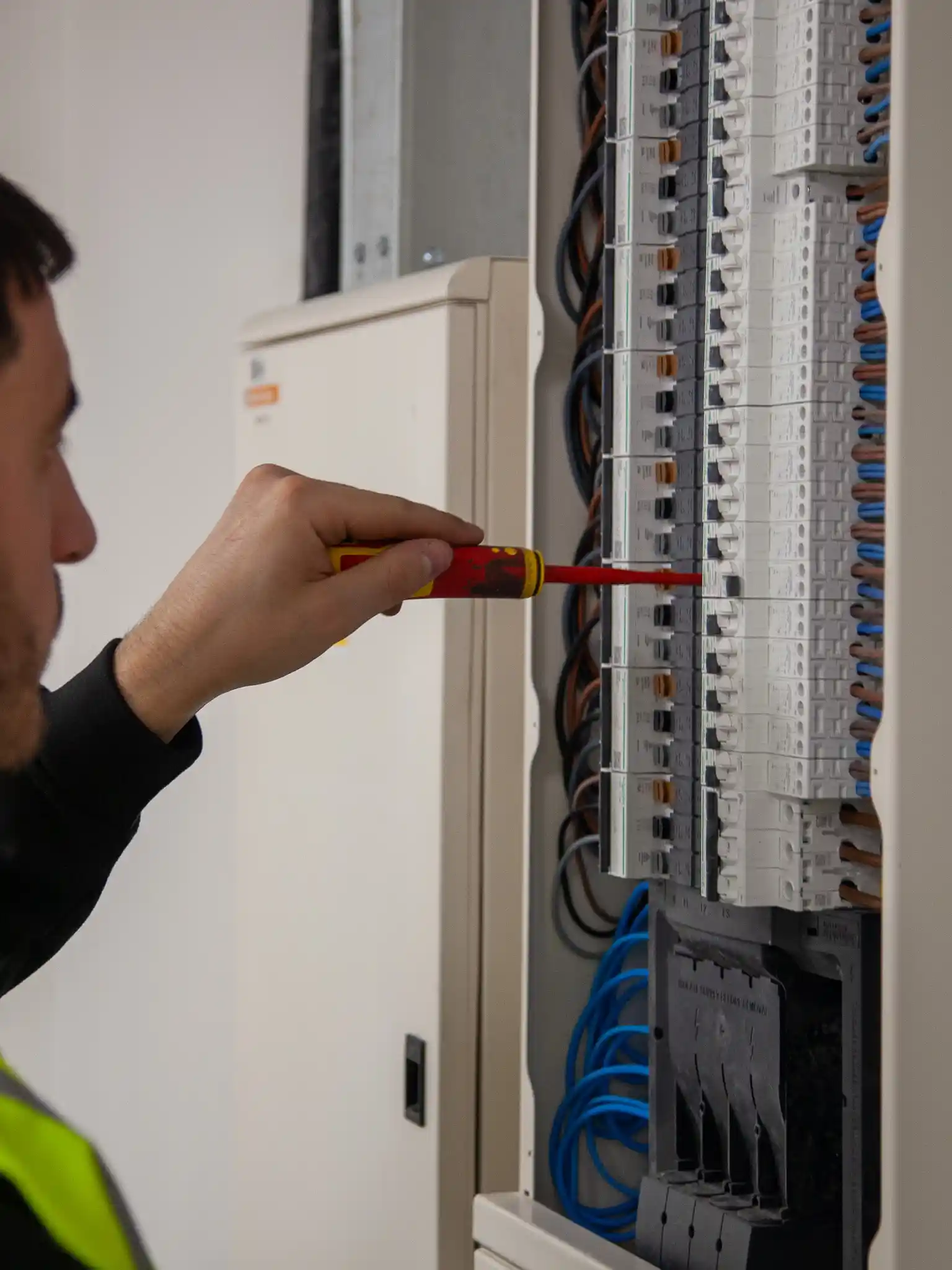
At Airedale, we provide you with the planned preventative maintenance to avoid disastrous equipment breakdowns and the reactive maintenance to get you swiftly up and running again should a breakdown occur. With our tiered system, you can receive service from one of our nationwide engineers in just four hours for a core piece of equipment.

For more insight on creating an operationally resilient QSR, especially following your post-warranty period, sign up to download our whitepaper PDF. Or, analyse your current operational resilience through the scorecard lower down on this page.

Ghost Kitchen Design: The Future of Fast Food

Ghost kitchens, also known as dark kitchens, are transforming the fast food industry, allowing brands to serve more customers without needing a dine-in space. At Airedale Group, we create ghost kitchen designs that maximise efficiency, enabling you to meet increasing demand for delivery services while keeping operational costs low. They’re also an excellent way to test demand in a new area without the expense of setting up a full shopfront immediately.

Discover our guide to ghost kitchens to learn more about incorporating this QSR type into your business model.


Operational Resilience Scorecard: Assess Your QSR

Use this scorecard to evaluate your current operational resilience against industry best practices. Then, sign up to download our whitepaper PDF for valuable insights on improving your overall score.

If your QSR is launching new sites in Great Britain, establishing a strong maintenance partner on British soil is essential. At Airedale, we have strong relationships with a multitude of QSR OEMs alongside a 300+ strong army of nationwide engineers, perfectly positioning us to help your brand achieve longevity in its UK operations.

For additional help in migrating your QSR brand to the UK, refer to our guide on UK commercial kitchen laws and regulations.

Why Choose Airedale Group?

At Airedale Group, we don’t just design kitchens; we design for efficiency. Whether you’re looking to upgrade your existing QSR kitchen or develop a new ghost kitchen, our team offers complete project management from the initial design phase to installation and beyond.

Our focus is on delivering solutions that ensure your QSR or fast food restaurant operates smoothly, even under high demand. With our expertise in the QSR industry, we create innovative, tailored designs for fast food operations. We also specialise in integrating systems that improve speed and service delivery, ensuring your kitchen is equipped for optimal performance.

Airedale has years of experience with large-scale QSR chains and is an excellent choice for franchisees wanting a cohesive kitchen design across stores.

Working with Airedale doesn’t end there, though. We offer a holistic service, with a team of engineers to handle the maintenance and repair work you need throughout the years of running your quick service restaurant.

Assess Your QSR with our Operational Resilience Scorecard

Use this scorecard to evaluate your current operational resilience against industry best practices.
Then, download our PDF for valuable insights on improving your overall score.


Operational Resilience Scorecard: Assess Your QSR

Use this scorecard to evaluate your current operational resilience against industry best practices. Then, sign up to download our PDF for valuable insights on improving your overall score.

Maintenance Strategy & Equipment Protection

1
Planned Preventative Maintenance (PPM)
(Choose an answer below and add your points)

We wait for equipment to break down before calling an engineer (Reactive Model).

(0 Points)

We perform basic routine cleaning, but no formal PPM schedule is in place with a service provider.

(1 Point)

We have a robust PPM schedule in place, aligned with OEM recommendations, targeting all critical assets.

(4 Points)

2
Post-Warranty Transition Management

We often lose track of warranty expiry dates and rely on the OEM or distributor to remind us.

(0 Points)

We try to secure a new maintenance contract immediately after the warranty expires.

(1 Point)

We proactively secure a service contract with a trusted partner and map all equipment warranty expiry dates in a centralised database before they elapse.

(4 Points)

3
Core Asset Response Prioritisation

All equipment failures receive the same standard response time.

(0 Points)

We use a single, fast response time for all equipment.

(1 Point)

We use a Tiered Response Model, prioritising core menu assets with the fastest response.

(4 Points)

Safety, Compliance and Data Management

1
Gas Safety Compliance

We assume our equipment is safe and rely on local contractors for occasional checks.

(0 Points)

We ensure annual gas safety checks are performed, but do not verify the engineer’s specific appliance certification.

(2 Points)

We work with a partner who ensures Gas Safe registration for the specific commercial appliance type being serviced.

(5 Points)

2
Health & Safety and Compliance Records

Our compliance records are fragmented and difficult to locate for an audit or EHO visit.

(0 Points)

We keep records on file, but they are not centralised or easily accessible.

(2 Points)

We work with a partner who collates a centralised, accessible record of compliance across all sites.

(4 Points)

3
Ventilation Maintenance (Workplace Regulations 1992)

We only clean ventilation hoods as part of daily staff routines.

(0 Points)

We call out a ventilation specialist only when breakdowns occur.

(1 Point)

We mandate bi-annual specialist PPM checks and treat breakdowns as high-priority (4-hour call-out).

(4 Points)

4
Data & Multi-Site Management

We manage maintenance with local contractors for each site and separate spreadsheets.

(0 Points)

We use one national contractor but still receive separate site reports.

(2 Points)

We use a single service partner who provides consolidated reporting and TCO analysis.

(5 Points)

Staff and Strategic Partnership

1
Staff Training for Uptime

Staff are trained only on basic operation, not detailed daily checks.

(0 Points)

Staff follow a general cleaning checklist but don’t understand the critical importance of tasks.

(1 Point)

Staff receive consistent training and act as the first line of defence against equipment failure.

(4 Points)

2
Strategic Use of Maintenance Data

We only use our maintenance partner to fix broken items.

(0 Points)

We discuss response times and repair costs regularly.

(1 Point)

We hold review meetings to analyse issues and improve schedules across the network.

(3 Points)

3
Energy Efficiency and Sustainability

We see maintenance purely as an expense.

(0 Points)

We ensure equipment works but don’t measure energy efficiency gains.

(1 Point)

We use PPM strategically to maintain peak efficiency and reduce utility costs.

(4 Points)

4
Managing Beyond Economical Repair (BER)

When equipment fails, decisions are delayed due to limited information.

(0 Points)

We try sourcing replacement quotes ourselves after a BER notice.

(1 Point)

Our partner provides objective repair vs replacement insights for fast decisions.

(3 Points)

Resilience Score Interpretation

Use your total score to identify where your operations excel and where significant strategic gaps exist, particularly in relation to UK legal compliance and service continuity.

0 – 15 Points
Reactive & Critically Vulnerable (High Risk) ▼

Strategic Implication:

Your operation is fundamentally reactive and faces a high risk of catastrophic failure and significant legal exposure. This score suggests a dangerous reliance on simply waiting for things to break, which is unsustainable in the fast-paced QSR market.

Key Gaps:

You likely have no formal PPM, leading to maximum equipment downtime, high emergency call-out costs, and major revenue loss.

Compliance Risk:

You are highly vulnerable to penalties under UK law, particularly regarding Gas Safety (GSIUR 1998) and Workplace Health & Safety, as essential statutory checks and compliance records are likely unverified or fragmented.

Action Needed:

Immediate strategic intervention is required. Focus on securing a single, national partner and implementing a PPM schedule for all core revenue-generating assets.

16 – 29 Points
Emerging Resilience (Moderate Risk) ▼

Strategic Implication:

You have implemented key foundational elements, but lack the consistency, centralisation, and strategic rigor necessary for true resilience across a multi-site estate. Your operation is safe under normal conditions but will struggle during a major operational crisis (e.g., a new product launch or a multi-site safety recall).

Key Gaps:

You are likely still managing maintenance reactively for non-critical items, or your staff training is insufficient. A lack of centralised data prevents you from identifying failure patterns or calculating asset TCO, making your capital expenditure decisions inefficient.

Compliance Risk:

While basic checks (like annual Gas Safety) may occur, you may not be verifying the engineer’s specific appliance certification (Question 4), leaving a significant legal loophole. Compliance records are often difficult to retrieve quickly.

Action Needed:

Move beyond basic compliance. Focus on centralising all data (Question 7) with a single partner to gain strategic insights, and invest in airtight staff training (Question 8) to reduce failures caused by human error.

30 – 40 Points
Highly Resilient & Strategic (Low Risk) ▼

Strategic Implication:

Your operation is built on industry-leading best practices and leverages maintenance as a strategic advantage. You have successfully implemented systems to mitigate risk from breakdown, non-compliance, and financial inefficiency across your entire estate.

Key Strengths:

You run a robust PPM schedule, use a Tiered Response Model to protect core revenue, and proactively manage the high-risk Post-Warranty Transition. Your use of centralised data allows you to make informed decisions on asset replacement (BER) and long-term investment.

Compliance Certainty:

Your systems ensure UK-mandated compliance (e.g., specific Gas Safe registration, documented compliance records, bi-annual ventilation checks) is managed proactively and consistently.

Next Steps:

Leverage your robust data (Question 7) to explore predictive maintenance solutions (e.g., smart kitchen technology) to further enhance uptime and drive long-term sustainability/ESG targets (Question 9).

You can find clear guidance on implementing all of these improvements, and further lessons, in our whitepaper Building Resilience in UK QSR Operations: Lessons from the Field.

Talk to Us About Your QSR Kitchen Needs

Talk to Us About Your QSR Kitchen Needs

Looking to improve your QSR kitchen or develop a new ghost kitchen? Contact Airedale Group today to discuss your project, and let’s create a kitchen that works for your business.

QSR Kitchen FAQs

Is assembly line or made-to-order better for a QSR?

The assembly line is a tried and tested QSR kitchen layout for efficiency. However, the made-to-order approach has grown in popularity in recent years, as many QSR operators believe it produces a fresher final product that feels personally made for you.

Which approach is best depends on the types of food served and your brand identity – is speed or customisation more important? Our expert design team can provide you with further guidance.

How can I decide if my QSR equipment repair is urgent?

  • Equipment essential to CORE items, e.g. grills and fryers
  • Equipment essential to safety, e.g. ventilation hoods

These pieces of equipment will receive a call-out within four hours. However, pieces of equipment required for items outside of the CORE menu, such as perhaps egg cookers or ice cream machines, can be allotted a later repair time.

How can smart technology improve efficiency in my QSR kitchen?

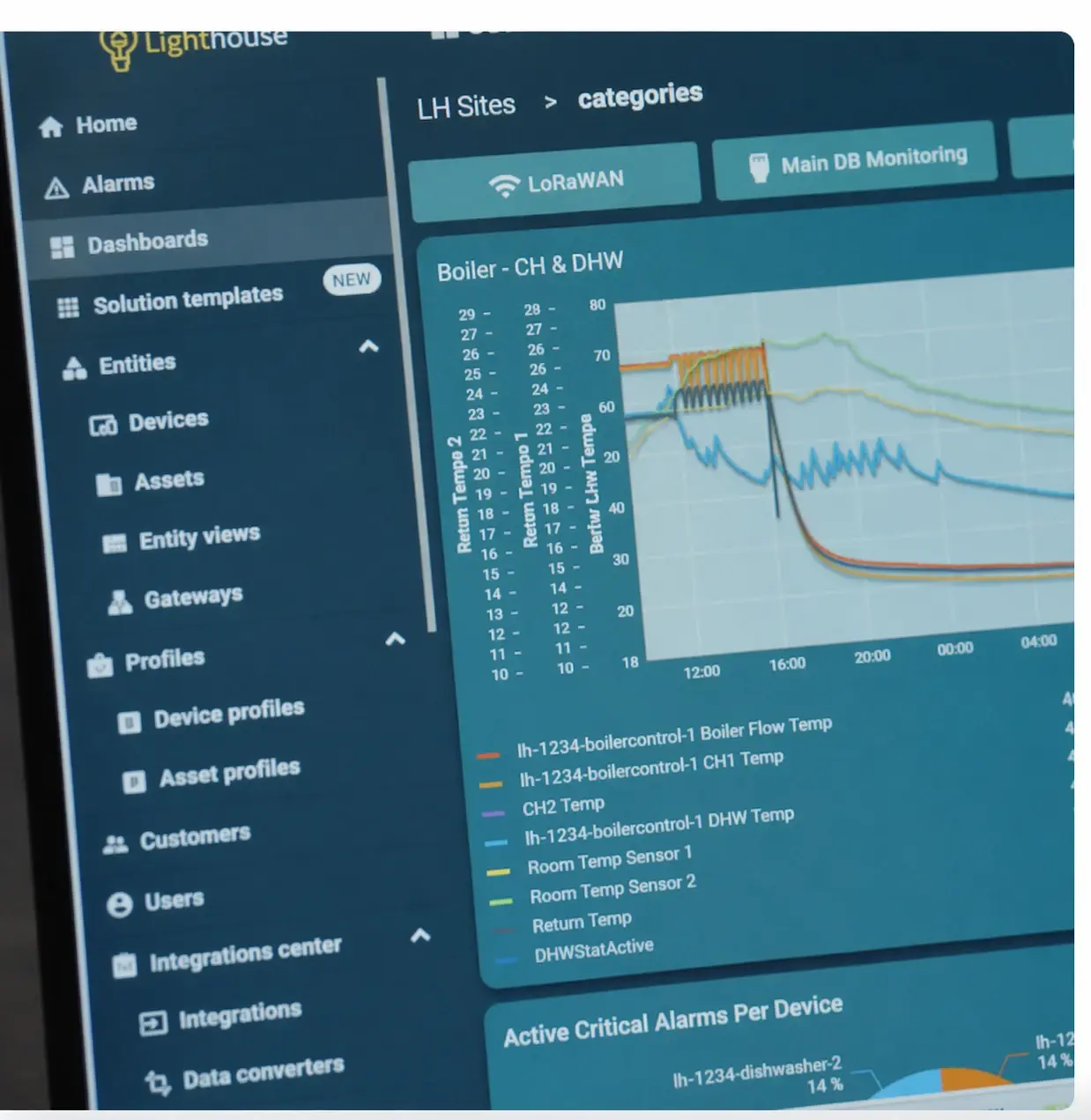
Smart technology is revolutionising every industry, and QSRs are no exception. Obvious examples include kitchen display systems and fry-dispensers. However, there’s also automated reporting for predictive maintenance and energy wastage, such as through Airedale’s Lighthouse, a significant advancement in efficiency. We’ll be happy to discuss the best smart options for your operation during an initial consultation.

How can I create a more sustainable QSR kitchen?

Sustainability is a growing concern in the world of QSR. However, solutions such as recycling of cooking oil and energy-efficient equipment are a great start.

At Airedale, we emphasise limiting waste by choosing the best quality equipment and maintaining it with care. Our Lighthouse reporting can flag if a piece of equipment is using more energy than necessary, and we’ll work with you to find the solution. Additionally, we can design energy-efficient QSR kitchens with LED lights, recycled materials, and more.

Sign Up to Download ‘Building Resilience in UK QSR Operations: Lessons from the Field’ – Our Comprehensive Whitepaper on Post-Warranty QSR Maintenance

Recent Case Studies
Upper Rhymney Primary School

Upper Rhymney Primary School

In response to the rising cost-of-living crisis and concerning child poverty rates in 2021, the Welsh government...

Try Market Halls West End (Holles Street)

Try Market Halls West End (Holles Street)

The UK’s largest food hall/dining market with multiple bars, “market stores” and rooftop terrace Airedale’s specialist consultancy-led...

Ruby Lucy Hotel

Ruby Lucy Hotel

First of at least three Ruby hotels set to be opened in the next year Partnership with...

Sandycroft County Primary School

Sandycroft County Primary School

Design and installation of large primary school’s commercial kitchen. All fabrication including bespoke canopy and extraction system...

The TUCO Conference kicks off this week!

We’re proud to support UK universities with future-ready kitchens as a TUCO-approved partner.

Why does that matter? Here's a quick read:
🔗

#TUCO #HigherEducation #Catering #CommercialKitchens #airedalegroup

Client Testimonials
Client Testimonials

BIM at Airedale

BIM at Airedale BIM (Building Information Modelling) is revolutionising construction and maintenance across the UK, and the commercial kitchen industry is no exception. Allowing for greater collaboration, data sharing...

Read More

If you would like to work with us, or find out more about what we can offer you, then please get in touch today!