How to Decide When Your Commercial Kitchen Equipment is Beyond Economical Repair

The question of whether to repair or replace equipment is one that all commercial kitchen operators must ask at some point. Often, repairs are faster, more affordable, and a more sustainable choice than a complete replacement. However, there does come a point, even with the best-maintained equipment, that repairing is no longer economically sensible. So, how do you judge when this point has been reached?
In this guide, we’ll outline the expected lifespan of various pieces of commercial kitchen equipment, how proper maintenance practices can ensure your equipment isn’t prematurely beyond economical repair (BER), and how to tell when the BER point has been reached.
What is Beyond Economical Repair?
Beyond economical repair refers to the point at which the cost of repairing a piece of equipment is higher than, or only slightly lower than, the original market value of that piece of equipment. This isn’t as straightforward as judging the initial cost of the repair work, however. There are a number of factors that should be considered when judging if repair is the best economic choice, including energy costs and frequency of repairs.
Factors to Consider: Signs That Your Commercial Kitchen Equipment is Beyond Economical Repair
One of the key factors in determining whether a piece of equipment is beyond economic repair is assessing its age and comparing it to the expected lifespan. If the piece of equipment is close to the end of its expected lifespan, replacing rather than repairing is the best choice.
Frequency of breakdowns is also important to consider. Perhaps an individual repair job doesn’t exceed the threshold for economical repair, but multiple breakdowns will quickly add up, so replacement may be the wisest choice.
Energy efficiency and running costs are also a big part of economic considerations. Older, less efficient equipment may use large amounts of energy, driving up your utility bills. Replacing it with newer equipment, built with sustainability in mind, may then be a more economical option.
If you’re still unsure as to whether repairing or replacing is the best course of action, this is where a trusted service partner comes in. Airedale engineers are happy to help with an honest, expert evaluation of whether your equipment is beyond economical repair, along with recommendations and guidance on selecting the most suitable replacement.
How Long Does Commercial Kitchen Equipment Typically Last?
Below, we’ve outlined the expected lifespan of common pieces of commercial kitchen equipment, so you can judge when to expect your equipment to reach the BER point.
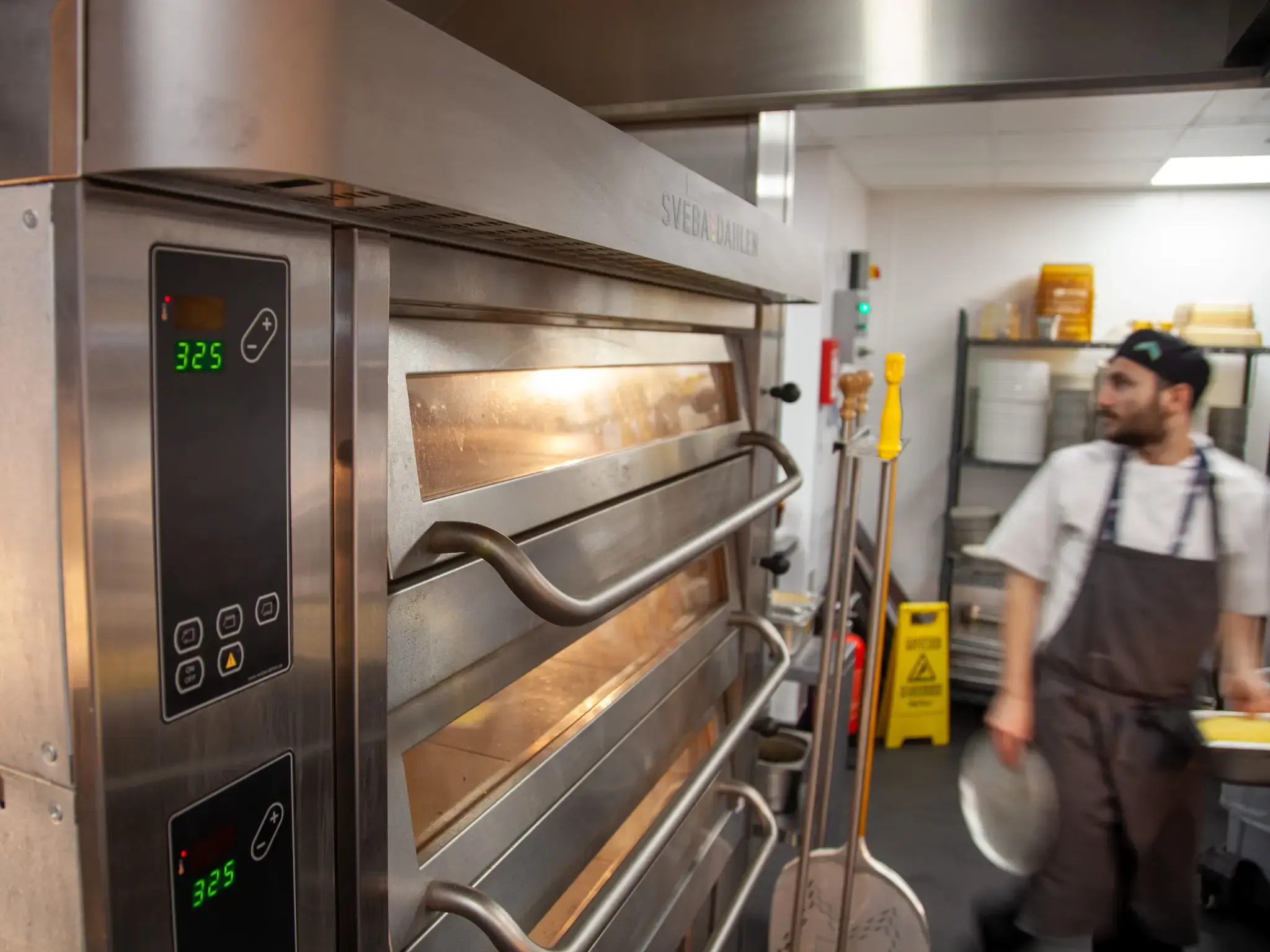
- Commercial Ovens can last 10-20 years, depending on how heavily they are used and how well they are maintained. Cleaning daily can aid in their longevity.
- Dishwashers typically last 8-15 years with regular cleaning.
- Fridges and Freezers last 10-15 years. Keeping condenser coils clean and maintaining door seals helps to ensure a good lifespan, as does monitoring temperature. Airedale’s ‘Lighthouse’, a remote monitoring solution, can aid in catching temperature changes quickly.
- Ranges and Grills last 7-15 years when well-maintained by regular degreasing and burner inspections. Gas ranges can often last longer than electric ones, so consider this when judging lifespan.
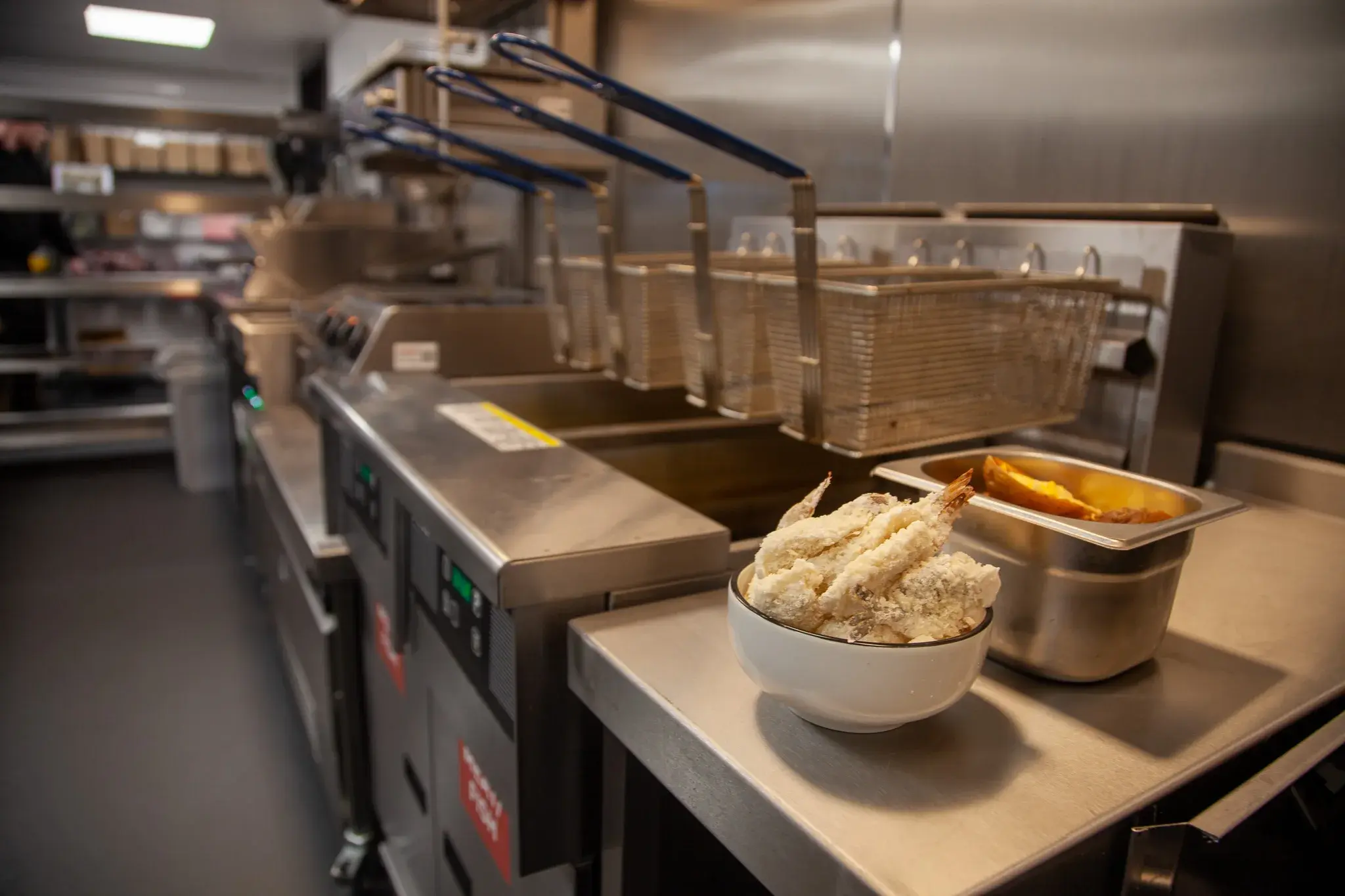
- Deep fryers generally last 7-10 years. Oil filtration can keep fryers from reaching their BER point prematurely.
How to Choose Longer-Lasting Commercial Kitchen Equipment?
Avoid replacing equipment over and over by choosing quality pieces that will last. Knowing which equipment manufacturers are reputable is essential. It’s also important to know which equipment is best for your business type and the volume of food you’ll be producing each day, so that you aren’t choosing equipment that will wear out quickly under your level of demand. Our guide to choosing the correct equipment for your commercial kitchen can help with this.
PPM: Ensuring an Optimal Lifespan for Your Commercial Kitchen Equipment
Planned Preventative Maintenance (PPM) is the number one most essential component in keeping your commercial kitchen equipment from reaching premature BER. These include inspections, servicing, deep cleanings and more in accordance with the original equipment manufacturer’s instructions. Our guide to the importance of PPM elaborates further on creating a preventative maintenance plan and the specific maintenance practices for different pieces of equipment.
Need help repairing your commercial kitchen equipment? Airedale’s nationwide team of engineers offer maintenance expertise for multi-site operations, large-scale kitchens, schools, franchise QSRs, universities and more.
Need to replace your commercial kitchen equipment that is beyond economical repair? With our bespoke manufacturing service and our relationship with respected equipment manufacturers such as Middleby or Lincat, we’re here to match you with the perfect replacement.