Case study
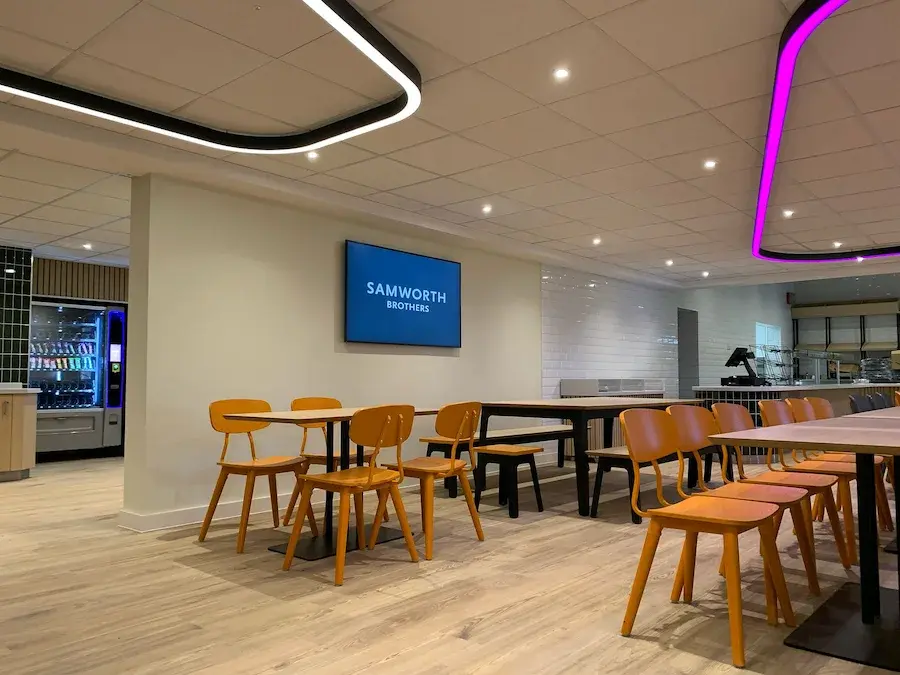
Samworth Brothers
A major food manufacturer wanted something special for their team
View the full case studyTrusted by:



Commercial restaurant design shapes far more than how a catering space looks. It influences how people move through it, how they engage with the product offer, and experience the brand. Airedale’s interior design approach brings these elements together to create foodservice spaces that feel purposeful, attractive and easy to use. That includes dining areas, front-of-house environments and brand touchpoints, as well as the practical elements that help the space function day to day, like serveries and bars.
Our approach combines operational design, retail optimisation and interior design thinking to help clients create environments that are better aligned to user needs and more effective commercially. Depending on the project, that can mean improving flow, strengthening the appeal of the food offer, introducing more adaptable layouts, integrating signage and digital elements, or creating a space that better reflects the brand and the audience using it.
We design dining spaces that feel welcoming, practical and well-suited to the people using them. By considering layout, atmosphere and day-to-day usability together, our commercial kitchen design consultants help clients create environments that support a better overall foodservice experience.
Front-of-house design plays a major role in how people move through a space and engage with the food and drinks offer. We shape customer-facing environments around flow, visibility and ease of use, helping clients reduce friction and create a more engaging experience from arrival through to service.
Our commercial restaurant design approach looks closely at how the space can work harder commercially as well as visually. That can include improving the presentation of the food offer, supporting stronger customer decision making and using layout and merchandising to encourage greater engagement with the space.
Commercial restaurant interior design should feel aligned to the environment, the audience and the wider identity of the offer. We help clients create spaces with a stronger sense of relevance and personality through considered use of materials, finishes, graphics, signage and visual touchpoints.
User expectations continue to evolve, and foodservice spaces need to keep pace. We design with adaptability in mind, helping clients create environments that can support changing needs, new formats, and more experience-led ways of using the space over time.
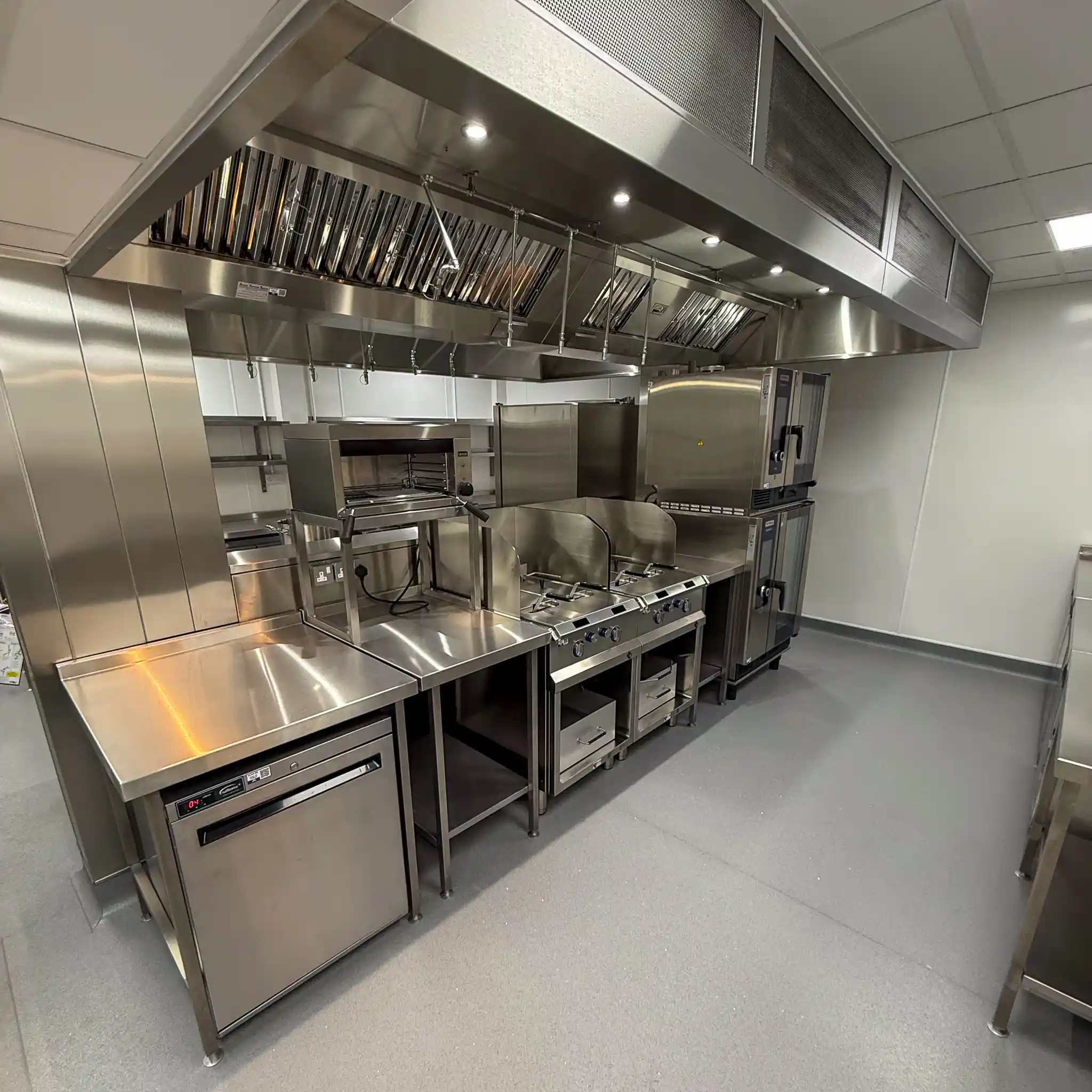
Our consultants design commercial kitchens with the realities of operations, technical optimisation, and long-term performance in mind, helping clients move from concept to delivery with real confidence.
.webp)
When a foodservice space feels dated, generic or disconnected from user expectations or brand, engagement drops quickly. Airedale helps clients create environments that feel more relevant, more appealing and more effective at drawing people in, helping the space work harder for both the operator and the customer.
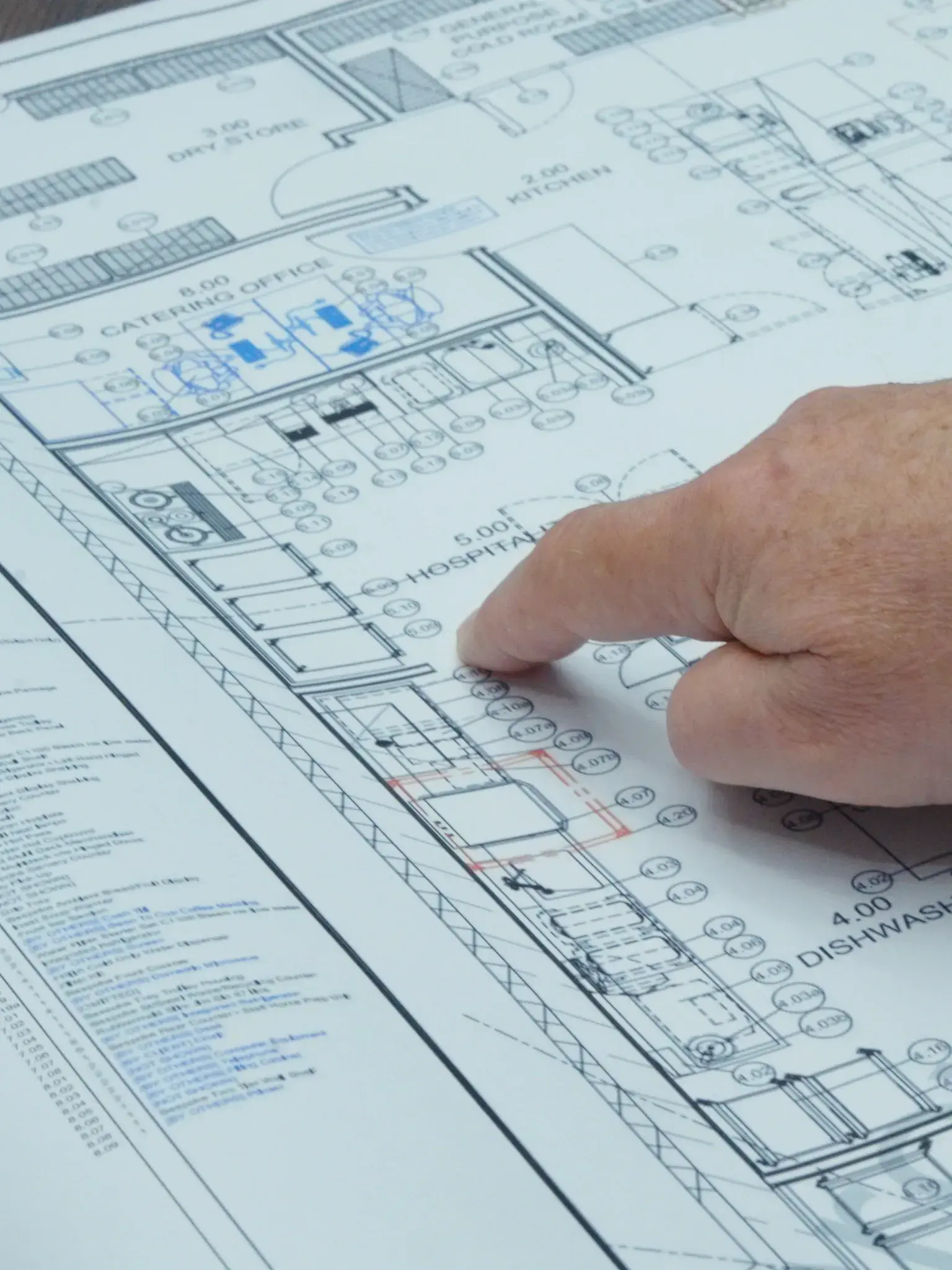
A strong interior concept still needs to perform in practice. Flow, usability and the relationship between front and back of house all shape the experience day by day. Airedale combines interior design thinking with operational understanding to create spaces that support both customer experience and service performance.

Airedale brings experience across multiple sectors and restaurant types, helping clients shape interiors with a clear understanding of different audiences, environments and operational demands. That breadth of experience gives clients greater confidence that the space will feel right and work well in practice.

Case study
A major food manufacturer wanted something special for their team
View the full case studyAiredale’s interior design service covers the customer-facing elements of foodservice environments, including dining spaces, front of house areas and the visual and practical details that shape how the space feels and functions. This can include layout, materials, finishes, signage, point of sale and wider design features that help improve the overall experience.
Yes. Airedale supports front-of-house foodservice environments, including customer flow, ordering areas, servery spaces and dining areas. The aim is to create spaces that feel attractive, easy to use and better aligned to the people using them, while supporting a smoother overall experience.
Interior design can influence how people move through a space, how they engage with the products and brand and how positively they experience the environment overall. A well-considered design can help reduce friction, strengthen the appeal of the space and support better commercial and operational outcomes.
Yes. Airedale designs foodservice interiors with changing user expectations in mind, helping clients create spaces that feel more contemporary, engaging and relevant to the audience they want to attract. That can include more adaptable layouts, stronger visual identity, integrated signage and A/V elements, and a better overall user experience.
Yes. Airedale brings experience across a wide range of foodservice environments, helping clients shape interiors that reflect the needs of different sectors, audiences and operating models. This makes the service relevant to everything from staff dining and education settings to restaurants and other customer-facing environments.