Case Study
Sanfords, Luton Airport
Delivering the kitchen infrastructure behind the UK’s largest airport restaurant
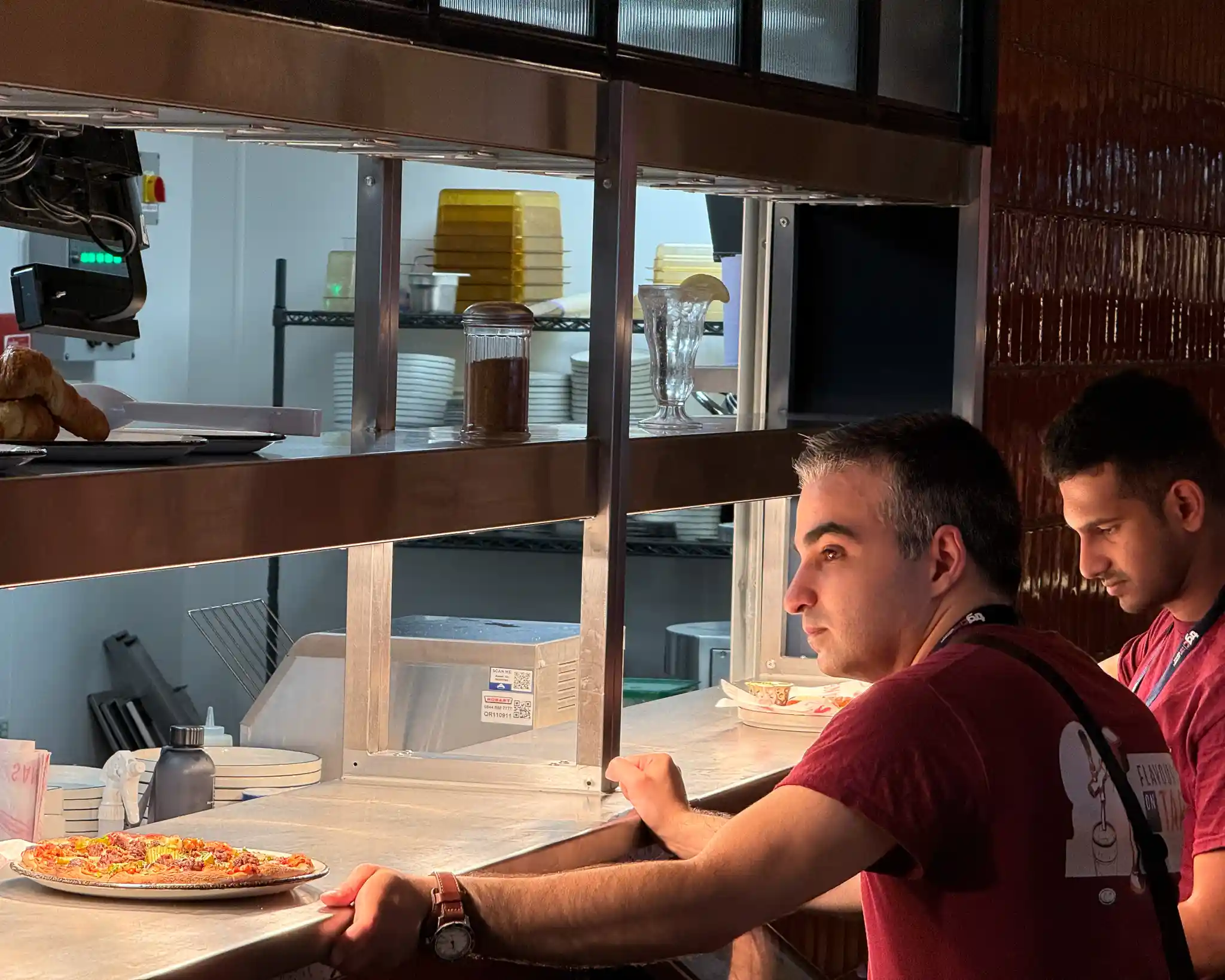
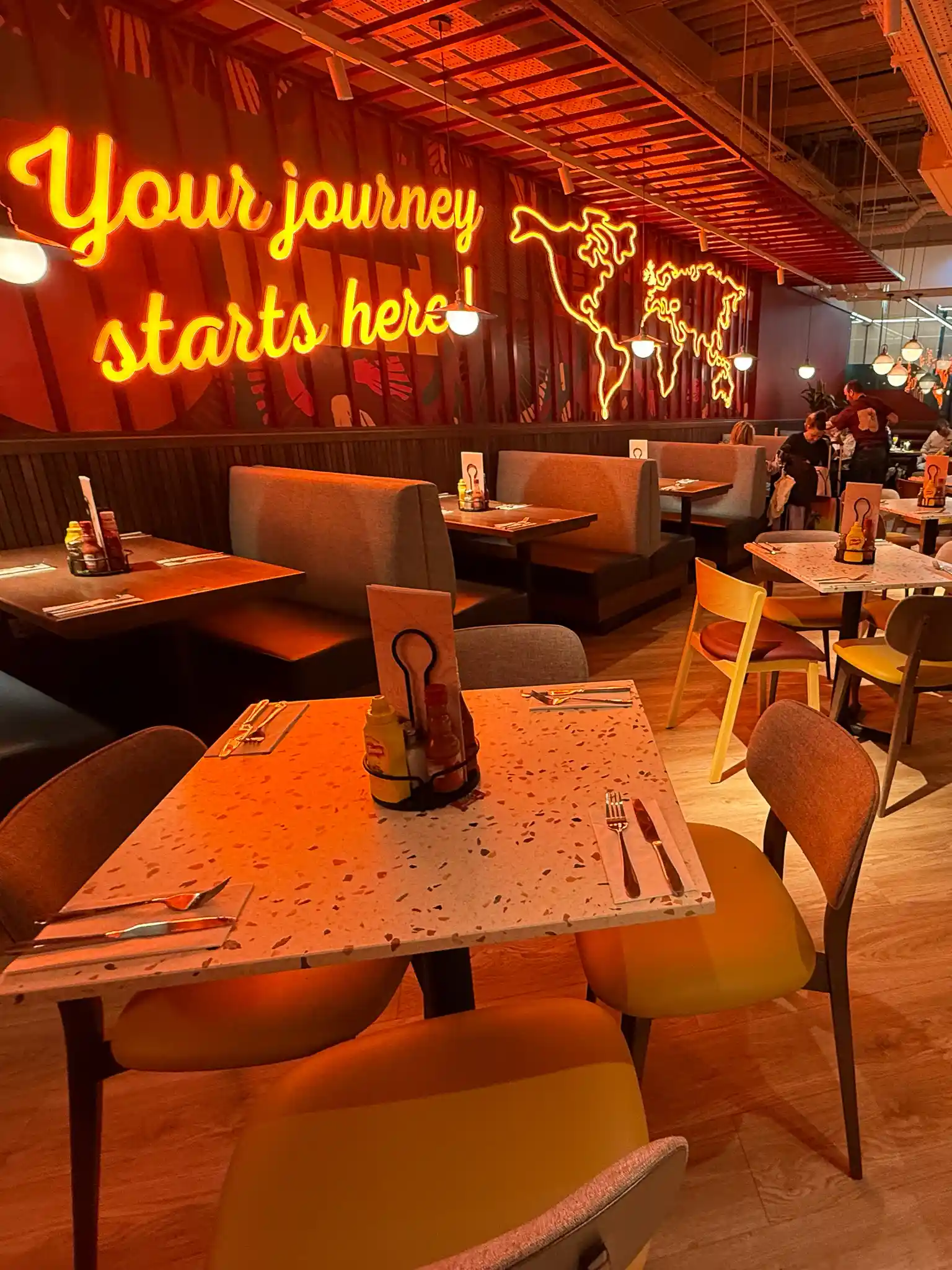
Airedale supported TRG with the design, manufacture and installation of the foodservice infrastructure for Sanfords at London Luton Airport, a 480-cover, two-floor American dining concept built for scale, speed and high-volume airport trading.
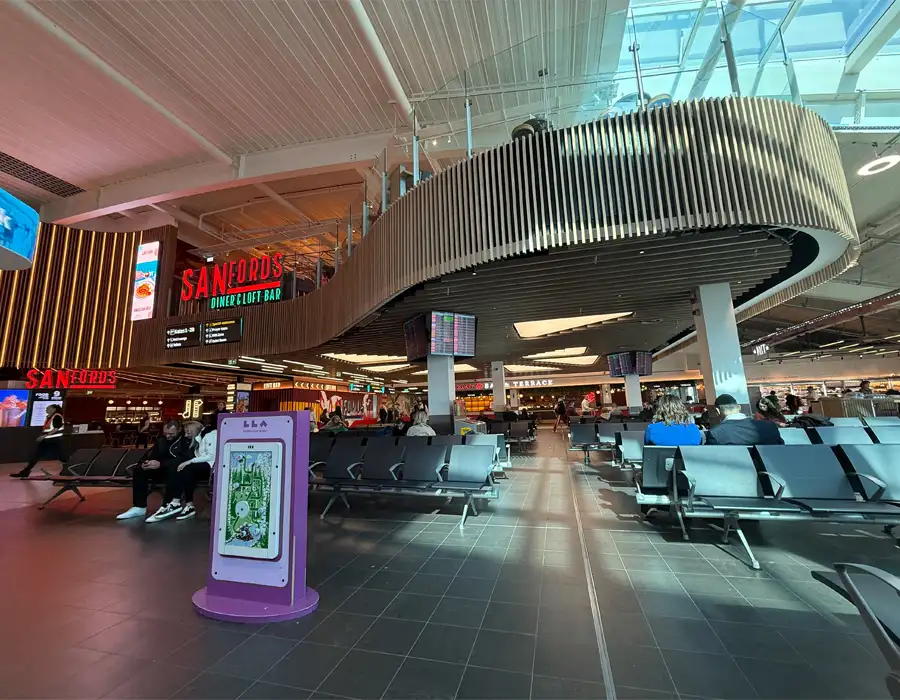
When TRG Concessions set out to create this new restaurant, the ambition was significant: transform an existing airport restaurant footprint into a landmark dining destination capable of serving hundreds of passengers across two floors.
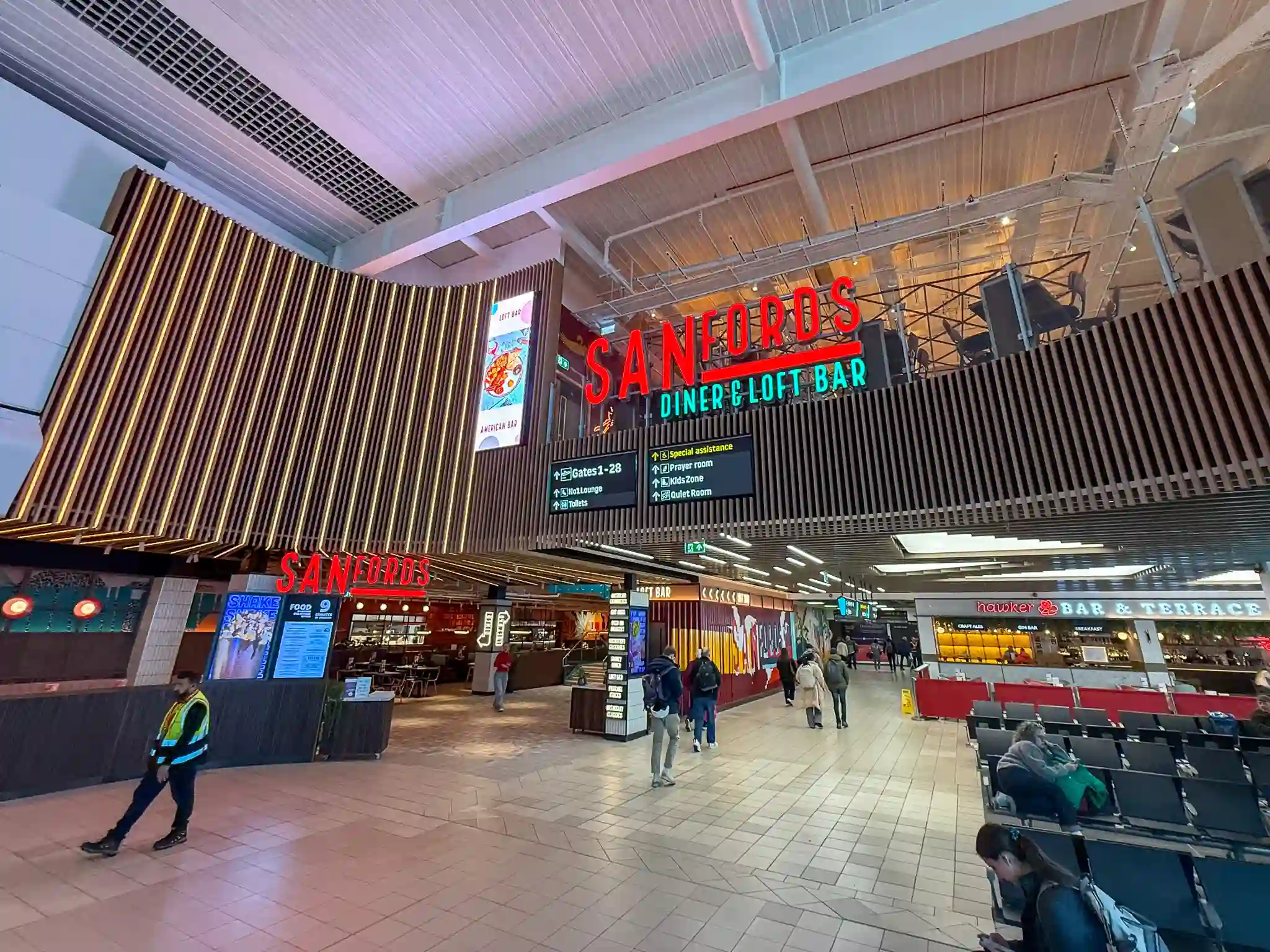
The result is one of the most noteworthy food and beverage openings in the UK airport sector. Sanfords combines a ground-floor American Diner with an upstairs Loft Bar, creating a large-scale, high-throughput restaurant environment in the airport’s departures lounge. With 480+ covers across 12,810 sq ft, it has been described publicly as the largest restaurant within a UK airport.
Airedale’s role was to make sure the engine behind that guest experience could work in practice. From early design input and equipment specification through to manufactured bar areas, cold rooms, freezer rooms, beer cellar infrastructure, installation and chef training, our team helped create a foodservice operation built for airport volumes, strict programme demands and long trading hours.

Sanfords by the numbers
480+
covers at the largest UK airside restaurant
7-10 minutes
Target order-to-service requiring incredible infrastructure and operational control
20-22 hr
Trading days that never let up, requiring exceptional kitchens

The Brief
TRG needed more than a standard kitchen design. The challenge was to create the foodservice infrastructure for a much larger, faster and more complex restaurant environment.
The original site was based around an existing Frankie & Benny’s restaurant, with a smaller cocktail bar nearby and a live passenger walkway between the two spaces. TRG’s ambition was to create a much larger American-style dining concept, using a new mezzanine to connect and expand the trading area.
That created an immediate operational question: how do you take an existing back-of-house footprint and design it to support a restaurant operating at a completely different level of volume?
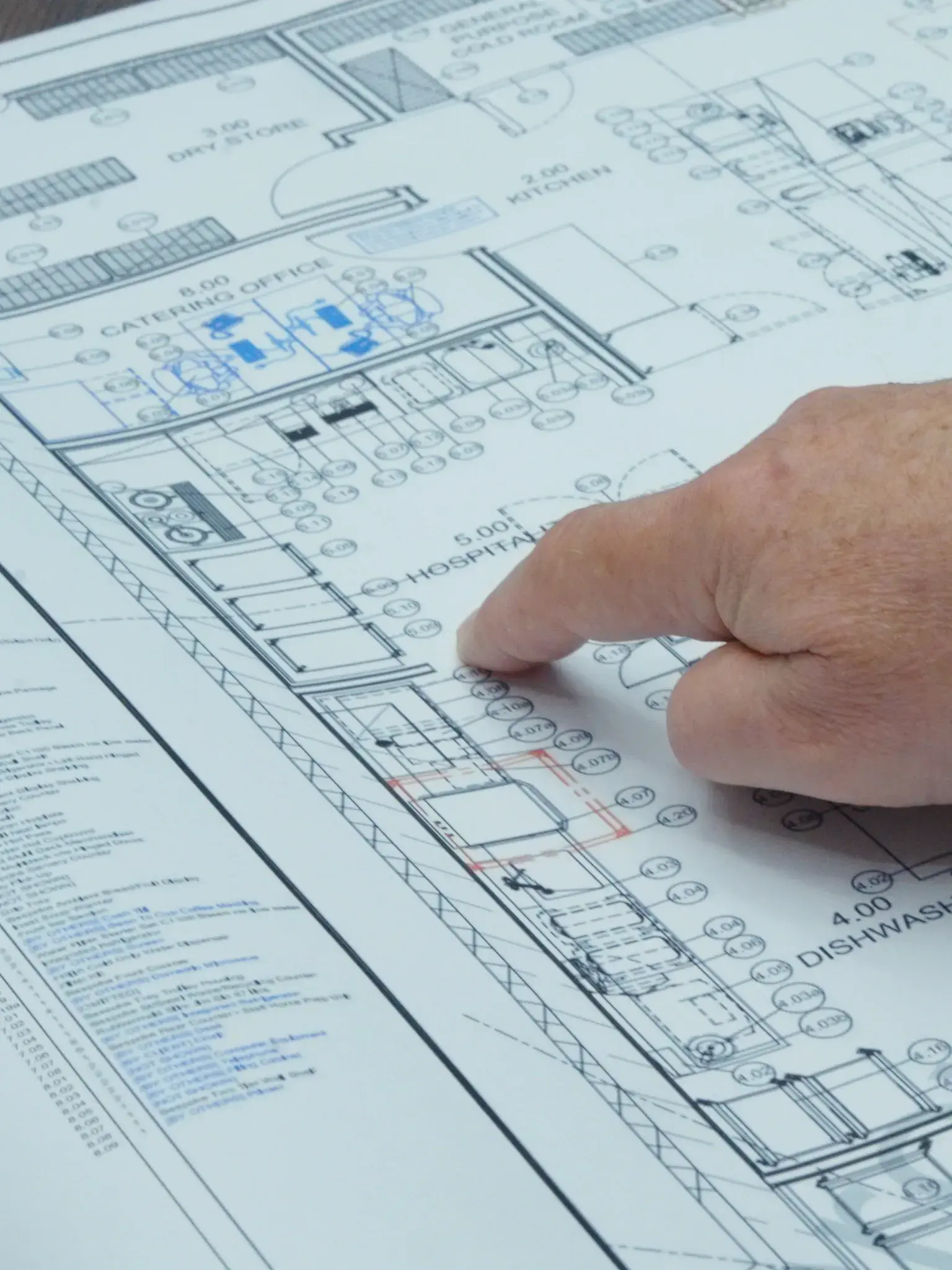
Airedale was involved from the early stages, helping TRG work backwards from the menu, service model and guest capacity to define the kitchen infrastructure required. Instead of simply being handed a space and asked to make it work, we were brought into the design conversation early, helping shape the operational solution around throughput, equipment capacity, service speed and resilience.
This was not a case of being handed a space and asked to make it work. We were involved from the start, helping TRG design the kitchen around the menu, the volumes and the speed of service they needed to achieve.
- Project Specialist, Airedale Group
Our role

Kitchen design and build
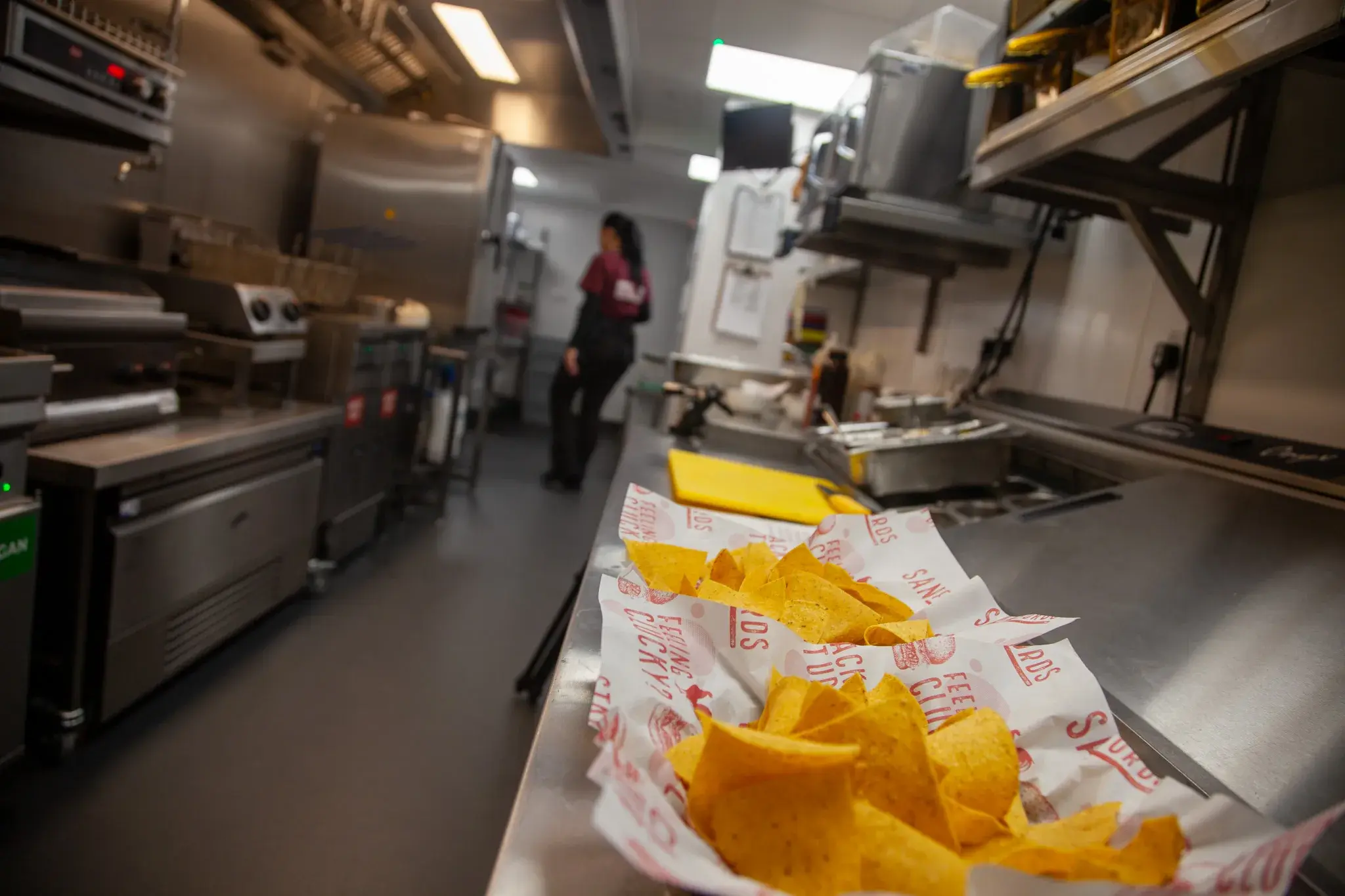
We delivered the design and build of the main kitchen and second kitchen, ensuring the layout, equipment and production flow could support high customer volumes across both floors.
Manufactured bar and back-bar areas
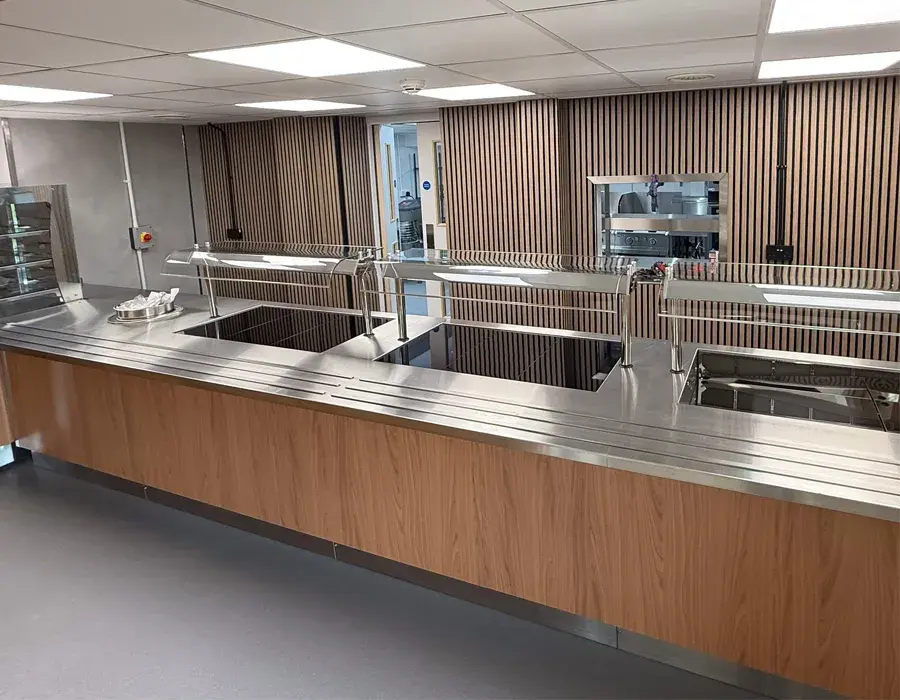
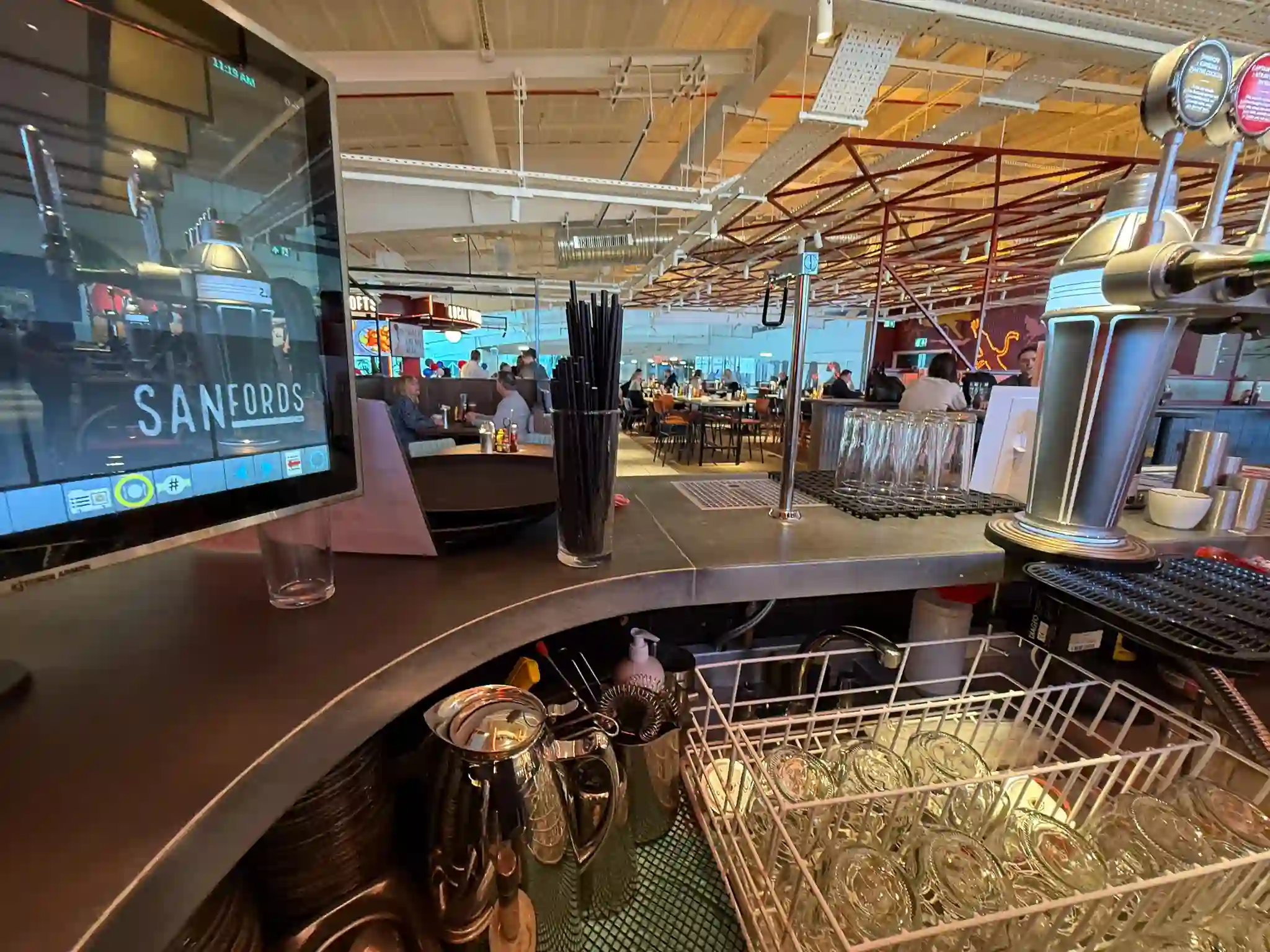
Our Bradford manufacturing team produced the front bar and back-bar fabrication, with on-site hot works and welding used to create a seamless, one-piece effect.

Cold rooms, freezer rooms and cellar infrastructure
Our scope included bottle fridges, under-counter bar works, cold rooms, freezer rooms and the beer cellar.
Working Airside?
Speak to a specialist who can provide efficient, cost-effective solutions and real peace of mind
Building for airport volumes, airport constraints and airport deadlines
Airside projects leave very little room for improvisation. Everything has to be planned, packed, checked, cleared and delivered in the right sequence.
The airport setting added a level of complexity that does not exist on a standard restaurant project. Equipment, materials and waste could not simply be moved in and out of site as required. Pallets had to be packed, photographed, weighed, labelled, cleared through the consolidation process and moved airside under the correct controls.
That meant accuracy mattered from the start. If a part, tool or item of equipment was missed, it could take several days to get it through the airport process and onto site. For a project working to a fixed opening date, that level of logistical control was critical.
The programme pressure was equally significant. As with most airport openings, the trading deadline was fixed. Airedale had to respond to delays elsewhere in the programme, increase resource where needed and protect the final handover window.


Designing from the menu backwards
The kitchen was not designed around a generic equipment list. It was built around what the Sanfords team needed to serve, how quickly they needed to serve it and where each menu item would be produced.
Airedale worked closely with the TRG team to understand the menu, the service model and the operational demands of each floor. The design process focused on matching the right equipment to the right production areas, helping the team serve high volumes without compromising consistency or quality.
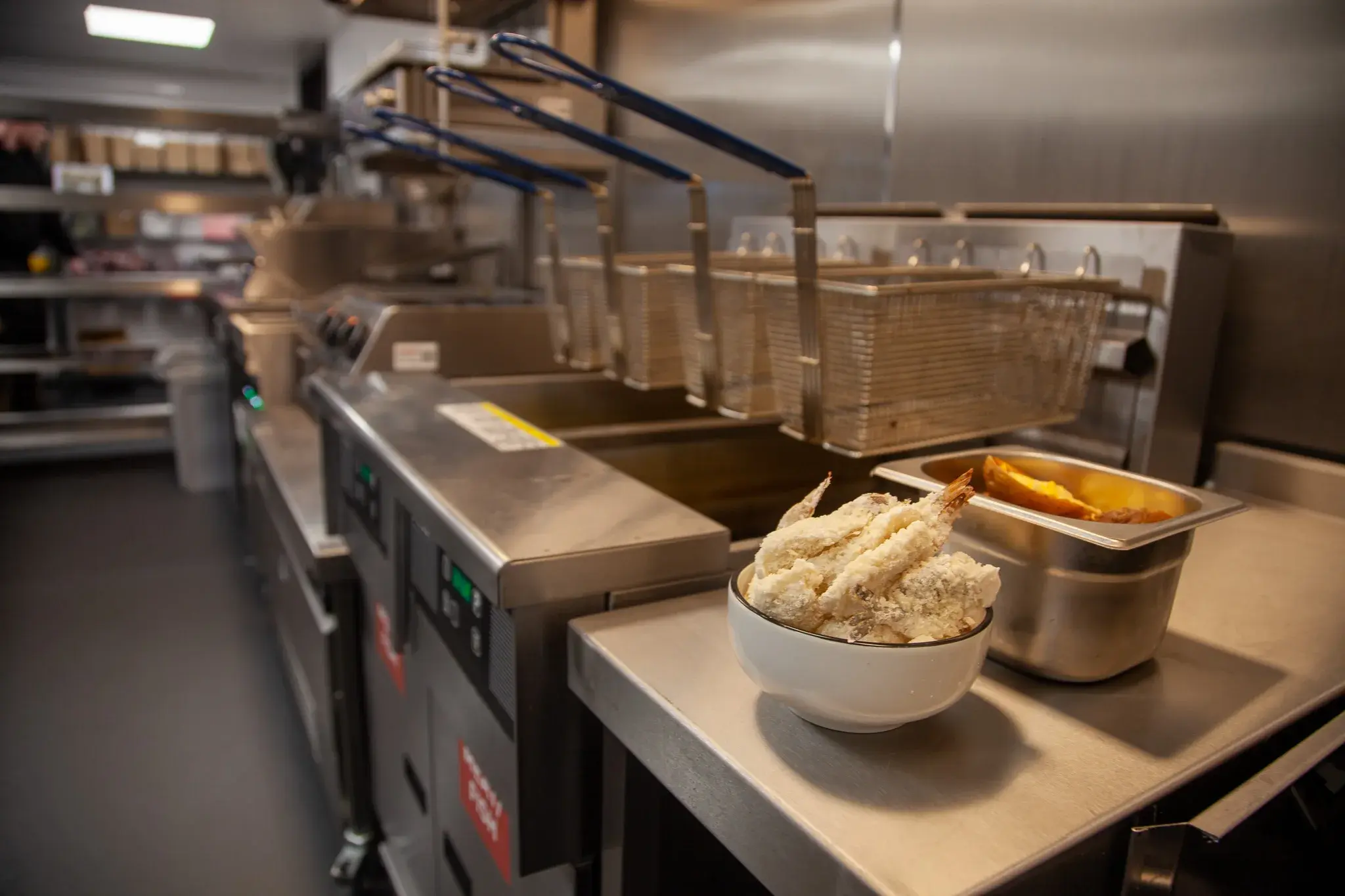
This included introducing equipment and production methods that could improve throughput, oil management, holding quality and batch production. For example, self-filtration frying equipment helped support speed, oil efficiency and product quality, while advanced holding solutions helped maintain food quality during quieter periods between flight peaks.
The bar areas also required careful consideration. Sanfords was designed as both a dining and drinks-led venue, with the Loft Bar forming a key part of the offer. Airedale supported the integration of bar fabrication, draught cocktail systems, refrigeration, under-counter works and back-bar infrastructure to help the front-of-house team operate efficiently.
How Airedale pulled it all together
Behind the scale of Sanfords was a series of practical design decisions, each focused on keeping service fast, consistent and resilient in a live airport environment.
The challenge was not simply to install more equipment. The kitchen had to support two trading floors, long daily operating hours, flight-driven peaks in demand and a service model built around speed. Airedale’s input helped translate those operational demands into a workable and efficient kitchen, bar and back-of-house infrastructure.

Designing solutions based on real client needs, not assumptions
The team worked back from the menu, the target service times and the expected passenger volumes to define what each production area needed to achieve. This helped ensure the design was grounded in real operating requirements rather than a standard restaurant equipment schedule.
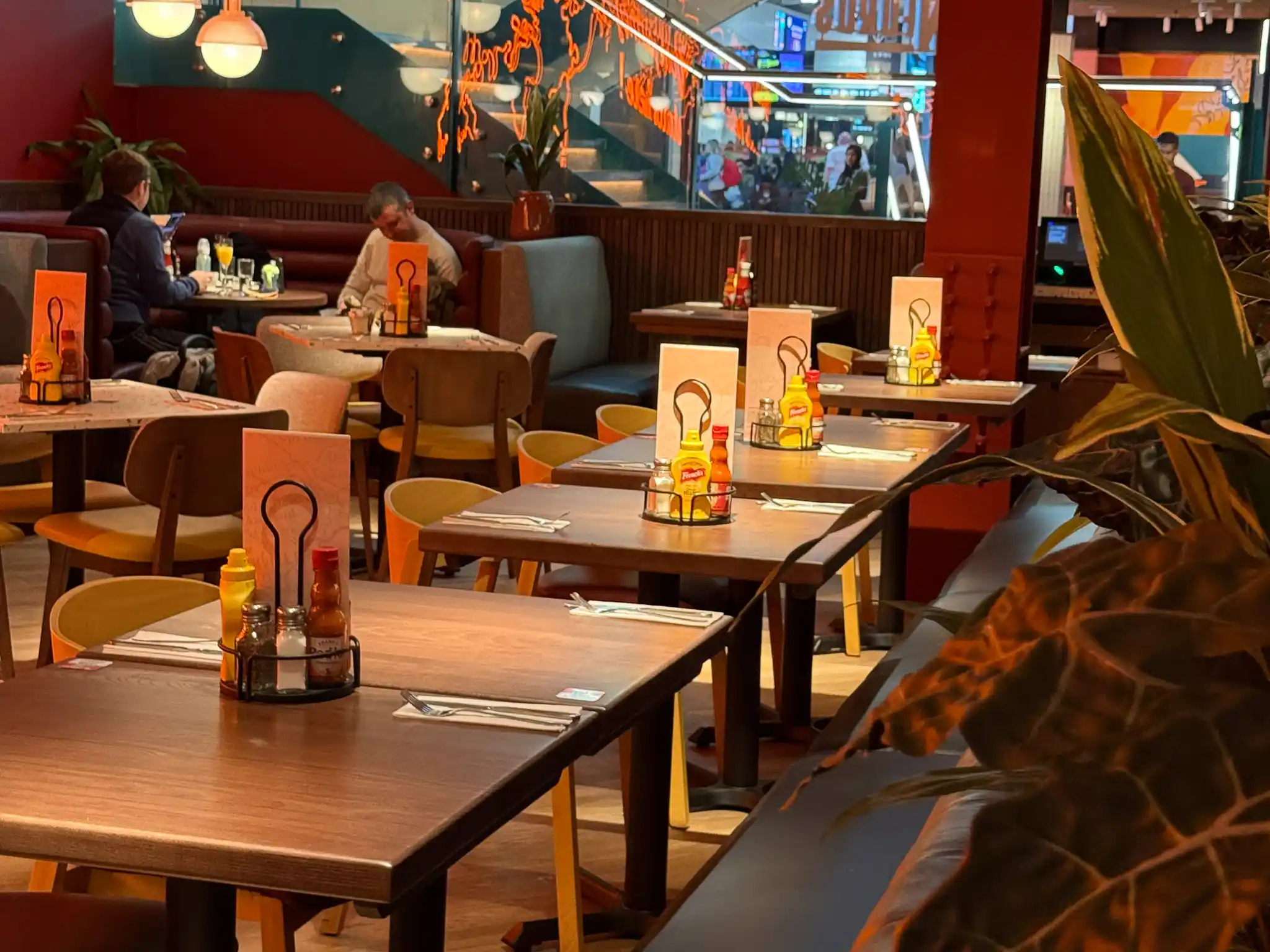
Creating a two-floor production model
With the American Diner below and the Loft Bar above, the kitchen needed to support different service needs across both levels. Airedale helped shape a layout that allowed each floor to operate effectively while still supporting the wider venue as one connected foodservice operation.
Building in capacity and fallback
For a restaurant trading for most of the day, resilience had to be part of the design. The equipment mix was planned so that if one item was unavailable for cleaning, maintenance or service support, the team still had other ways to keep key menu items moving.
Supporting speed without sacrificing quality
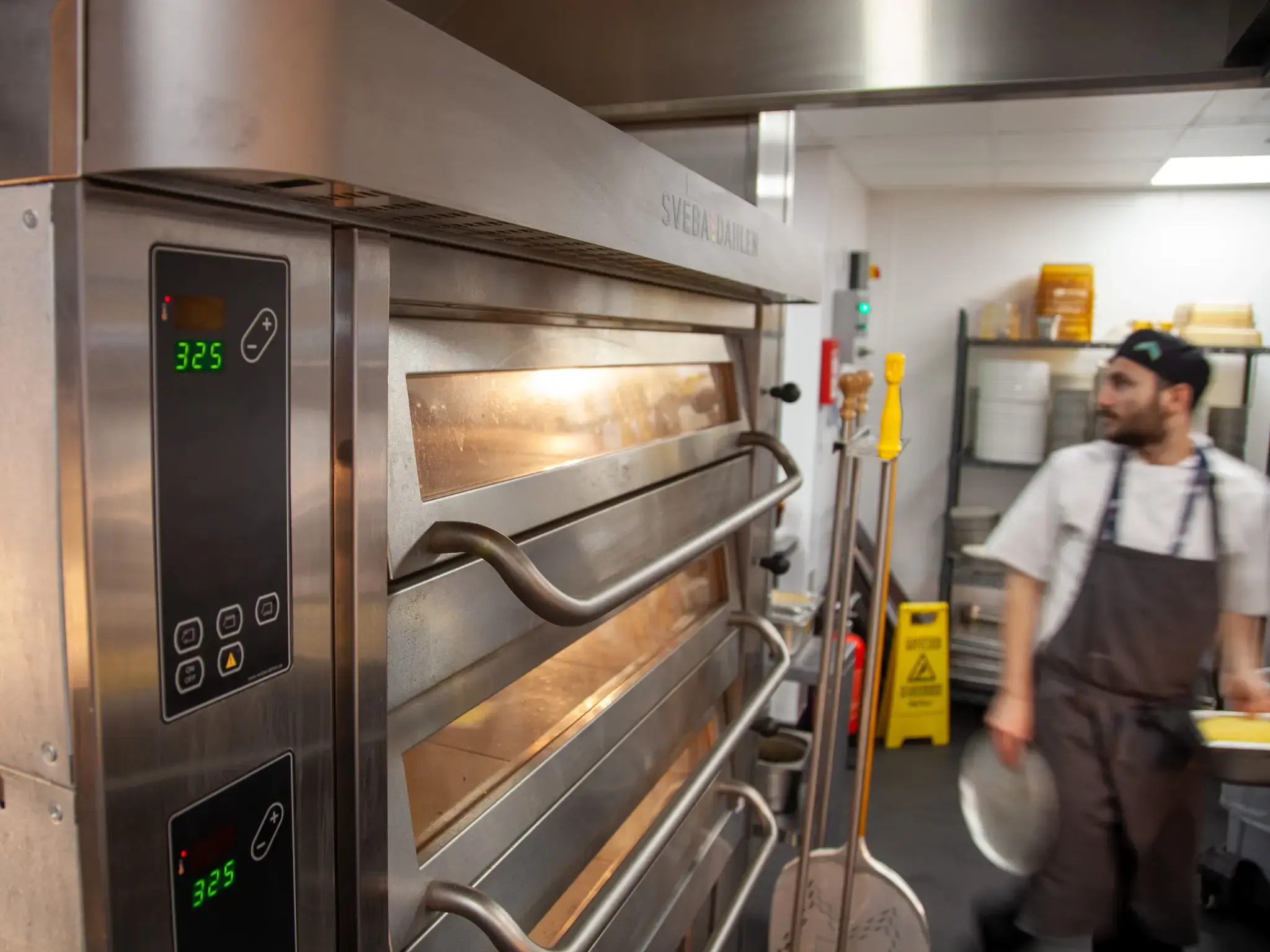
Airedale introduced production and holding solutions that helped the kitchen respond to peaks in passenger demand while protecting food quality. That included thinking about batch production, oil management, holding conditions and how food would move through the operation during busy periods.

Making the drinks offer work operationally
The Loft Bar was a core part of the Sanfords concept, so the bar infrastructure needed to support fast, efficient service. Airedale’s work covered the practical details behind that operation, from fabricated bar areas and refrigeration to cellar, dispense and under-counter requirements.
Protecting the final handover
When the project reached its final stage, the team had a highly compressed readiness window. Airedale supported final checks, snag close-out and chef training within 48 hours, helping the kitchen team move from project completion to operational readiness at pace.
FAQs
What did Airedale deliver at Sanfords, London Luton Airport?
Airedale supported the design, manufacture and installation of the foodservice infrastructure behind Sanfords, including the main kitchen, second kitchen, bar and back-bar areas, cold rooms, freezer rooms, beer cellar infrastructure and under-counter bar works.
Why was Sanfords such a significant project?
Sanfords has been publicly described as the largest restaurant within a UK airport, with 480+ covers across a 12,810 sq ft, two-floor venue. The project required kitchen and bar infrastructure capable of supporting high-volume passenger demand in a live airport environment.
What made the project complex?
The combination of scale, airport logistics and fixed opening deadlines made the project complex. Equipment had to be carefully planned, packed, documented, checked through airport consolidation and moved airside under strict controls, leaving very little room for last-minute changes.
How did Airedale support the design process?
Airedale was involved early, helping TRG Concessions work backwards from the menu, expected volumes and service model to define the right kitchen layout, equipment mix and production flow for the venue.
How was the kitchen designed for high-volume service?
The kitchen was designed around speed, capacity and resilience. Equipment choices, holding solutions, frying capacity, backup options and production flow were all considered to help the team serve large passenger volumes while maintaining food quality.
Is this approach suitable for other QSR and multi-site restaurant brands?
What made the airport environment different from a standard restaurant project?
Working airside meant access, deliveries, waste removal, tools and replacement parts all had to follow airport security and logistics processes. If something was missed, it could take several days to get it onto site, so planning accuracy was critical.
How did Airedale support operational readiness?
Airedale supported final checks, snag close-out and chef training within a compressed 48-hour handover window, helping the kitchen team move quickly from project completion to live operation.
What was the key outcome?
Airedale helped create the kitchen and bar infrastructure required to support a landmark airport dining venue, while demonstrating the value of involving a specialist commercial kitchen partner from the earliest design stages.
Planning a high-volume foodservice project?
From airport restaurants and travel hubs to QSR rollouts and large-scale hospitality venues, our team helps operators turn ambitious concepts into practical, high-performing foodservice environments.
Other Case Studies